

Have you ever wondered what’s in that bottle of soda, juice, or sports drink that makes it taste exactly the same every single time? It might not be the granulated sugar you have at home. The secret to consistent, large-scale beverage production is often liquid sugar.
This article will pull back the curtain on this versatile ingredient. We’ll explore what makes liquid sugar a game-changer for beverage makers, its key benefits, and what you need to know to source it effectively for your business. By the time you’re done reading, you’ll see why liquid sugar is the intelligent choice for creating drinks that are consistently delicious and high-quality.
What Exactly Is Liquid Sugar?
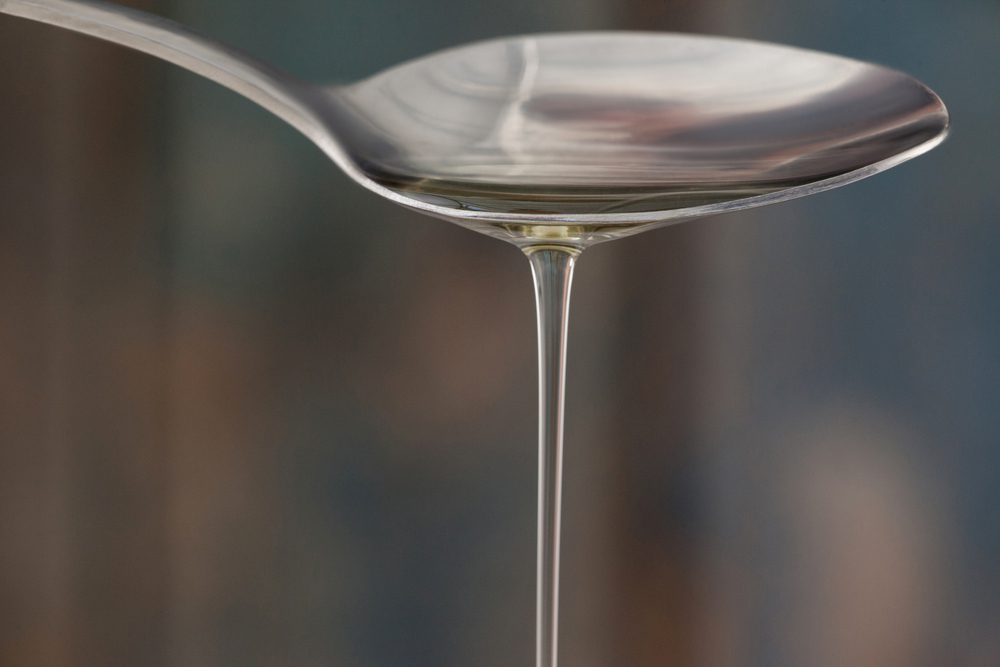
Think of liquid sugar as sugar in its most usable form. It’s a concentrated, clear syrup made by dissolving refined granulated sugar in water. Its concentration is measured in degrees Brix, which tells you the percentage of sugar content.
Unlike granulated sugar that needs to be dissolved, liquid sugar is ready to use. This simple difference is a huge advantage in fast-paced production environments.
The Different Types of Liquid Sugar
Not all liquid sugar is the same. There are a few main types, each with a unique purpose:
- Refined Liquid Sugar: This is the most common type. It’s made from high-purity refined sugar, offering consistent sweetness and clarity without affecting the color or flavor of your product.
- Brown Liquid Sugar: With a touch of molasses, this type has a richer, more complex flavor. It’s perfect for specialty beverages that need a deeper sweetness, like some iced teas or craft sodas.
- Organic Liquid Sugar: This is a top choice for brands focused on natural and organic products. It’s made from sugar cane grown without synthetic pesticides or fertilizers, and it’s certified to meet strict organic standards.
- Certified Liquid Sugar: This is about more than just taste. It includes important certifications like Kosher, Halal, or Non-GMO, which are essential for meeting specific market and regulatory requirements.
The Key Advantages of Liquid Sugar in Beverage Production
Switching from granulated to liquid sugar can streamline your entire production process. Here are the main benefits:
1. Unmatched Consistency and Quality
One of the biggest challenges in beverage production is ensuring every single bottle tastes the same. Granulated sugar can clump or dissolve unevenly, leading to slight variations between batches. Liquid sugar’s uniform concentration solves this problem, guaranteeing predictable sweetness every time.
2. Boosted Efficiency and Speed
Using liquid sugar cuts out the time-consuming step of dissolving sugar. You simply pump it directly into your mixing tanks. This saves significant time and energy, allowing you to produce more batches in less time.
3. Superior Product Stability
Ever seen sugar sediment at the bottom of a drink? Liquid sugar prevents this. Because it’s a pre-dissolved solution, it fully integrates into your beverage, resulting in a stable, clear product with a longer shelf life and a more appealing look.
4. Customization and Simplified Supply
Suppliers can tailor the concentration and packaging of liquid sugar to your specific needs. This means you can get exactly what you need, whether it’s for a small-batch operation or a large-scale factory, simplifying your inventory and production planning.
5. Enhanced Food Safety and Compliance
Working with a certified supplier of liquid sugar ensures that the product meets the highest food safety standards. This gives you peace of mind and helps you meet the strict regulatory requirements of the food and beverage industry.
Common Uses and Formulation Tips
Liquid sugar is incredibly versatile and is used in a huge range of beverages:
- Soft Drinks: The fast-dissolving nature of liquid sugar is ideal for carbonated beverages.
- Juices and Fruit Drinks: It provides balanced sweetness without affecting the natural fruit flavors or clarity.
- Energy and Sports Drinks: It allows for precise sugar control, which is critical for functional beverages where specific sugar levels are required.
- Ready-to-Drink Teas and Coffees: It prevents cloudiness and sediment, ensuring a clean, clear final product.
- Alcoholic Beverages: It’s used to add smooth sweetness to mixers and flavored spirits.
Formulation Pointers:
- Account for Volume: Remember that liquid sugar adds volume to your recipe, so adjust your total liquid content accordingly.
- Rely on Experts: Many suppliers offer technical support to help you get the most out of their product. Don’t hesitate to ask for help to optimize your formulation.
How to Choose the Right Liquid Sugar Supplier
Sourcing liquid sugar isn’t just about finding the best price. It’s about finding a strategic partner.
Partner Reliability and Global Reach
Choose a supplier with a solid reputation for reliable, on-time delivery. A global presence is a huge plus, as it ensures a stable and predictable supply chain, no matter where your production facility is located.
Look for Certifications and Compliance
Does the supplier’s product meet your market’s needs? Check for certifications like Kosher, Halal, Non-GMO, or Bonsucro to ensure your product can be sold in your target markets and aligns with your brand’s values.
Tailored Logistics and Support
A great supplier will work with you to find the right packaging and delivery schedule. They should also offer technical support to help you solve any formulation challenges and provide high-level executive assistance for long-term strategic planning.
Frequently Asked Questions
Is Liquid Sugar More Expensive Than Granulated Sugar?
While the initial cost per pound might be slightly higher, liquid sugar can actually be more cost-effective in the long run. The savings in processing time, energy, labor, and reduced waste often outweigh the higher upfront cost.
How Long Does Liquid Sugar Last?
When stored correctly, liquid sugar has a long shelf life, typically ranging from 6 to 12 months. Always follow the supplier’s storage guidelines.
Can Liquid Sugar Be Used in Organic Beverages?
Absolutely. There are suppliers who offer certified organic liquid sugar, making it a perfect fit for organic beverage formulations.
Summary: A Smart and Strategic Choice
Liquid sugar is more than just a sweetener; it’s a solution that offers efficiency, consistency, and quality for beverage manufacturers. It simplifies your production process, enhances product stability, and helps you meet food safety and sustainability goals. By partnering with the right supplier, you can secure a predictable supply and the expert support needed for long-term success.
Ready to Elevate Your Beverages?
At B&M Sugar Products LLC, we are your trusted global partner for high-quality, certified liquid sugar. Our commitment to reliable supply, tailored logistics, and expert technical support helps you optimize your production and deliver consistently excellent products.
Contact us today to start a conversation about a strategic partnership that delivers predictable supply and supports your long-term success.
- Email: [email protected]
- US Phone: +1 305 897 8427
- UK Phone: +44 203 514 8688
Unlock the full potential of your beverage formulations with liquid sugar from B&M Sugar Products LLC — your trusted global sugar supplier.